

Introduction
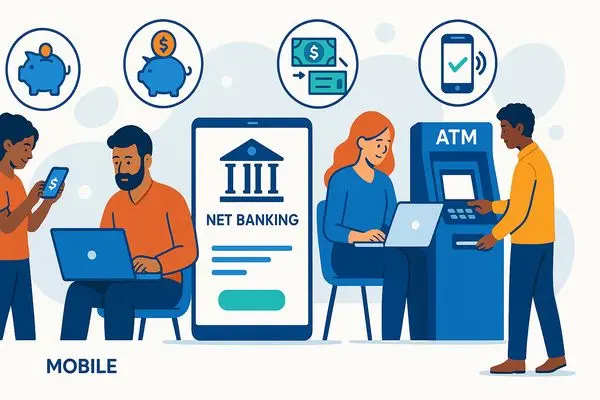
Omnichannel banking solutions for customers are transforming the way people interact with financial services in today’s digital world. Banks are no longer limited to traditional branches or single online platforms. Instead, they now offer a seamless experience across mobile apps, websites, ATMs, call centers, and physical branches. This integrated approach ensures that customers can start a transaction on one channel and complete it on another without any disruption. For example, a customer may begin a loan application on a mobile app and later finish it at a branch with full continuity of data and service.
In simple terms, omnichannel banking connects all banking channels into one unified system. It enhances convenience, improves customer satisfaction, and provides personalized services based on user behavior. With increasing competition in the financial sector, banks are adopting omnichannel strategies to retain customers and improve engagement. This approach is especially useful in a fast-paced digital environment where customers expect instant access, flexibility, and smooth experiences across all platforms.
As technology continues to evolve, omnichannel banking is becoming a necessity rather than a luxury. Customers now demand consistent service whether they are using a smartphone, laptop, or visiting a branch. This article will explain everything you need to know about omnichannel banking solutions, including their importance, benefits, risks, and how they work in real-life scenarios.
What is Omnichannel Banking?
Omnichannel banking is a modern financial approach that integrates all banking channels into a single, unified experience. It allows customers to interact with their bank through multiple platforms such as mobile apps, websites, physical branches, ATMs, and customer support centers while maintaining continuity of service.
Unlike traditional multichannel banking, where each channel operates separately, omnichannel banking connects all systems in real time. This means customer data, transaction history, and preferences are synchronized across all platforms. As a result, users get a smooth and consistent experience regardless of how they access banking services.
For example, a customer can check account details on a mobile app, receive support through a chatbot, and then visit a branch where the staff already has access to their previous interactions. This level of integration improves efficiency and reduces friction in customer service.
Omnichannel banking solutions for customers are designed to enhance accessibility, speed, and personalization. Banks use advanced technologies such as artificial intelligence, cloud computing, and data analytics to ensure seamless communication between channels.
Why is Omnichannel Banking Important?
Omnichannel banking plays a crucial role in modern financial services because customer expectations have changed significantly. People now demand instant, flexible, and personalized banking experiences across all devices and platforms.
One of the main reasons it is important is convenience. Customers no longer want to visit branches for every transaction. Instead, they prefer mobile and online banking options that save time and effort. Omnichannel banking ensures they can switch between platforms without losing progress.
Another important factor is customer satisfaction. When users receive consistent service across all channels, trust and loyalty increase. Banks that offer smooth experiences are more likely to retain customers in the long term.
Additionally, omnichannel banking improves operational efficiency. It reduces workload on branch staff and automates many processes, allowing banks to serve more customers effectively.
Detailed Step-by-Step Guide to Omnichannel Banking Implementation
Step 1: Understanding Customer Needs
The first step is to analyze customer behavior and expectations. Banks study how users interact across different platforms to identify gaps and opportunities for improvement.
Step 2: Integrating Banking Channels
Next, all banking systems such as mobile apps, websites, ATMs, and branch networks are connected through a unified platform. This ensures real-time data synchronization.
Step 3: Implementing Advanced Technology
Banks use technologies like cloud computing, artificial intelligence, and APIs to enable seamless communication between channels.
Step 4: Creating a Unified Customer Database
A central database is developed to store all customer information, including transaction history, preferences, and interactions.
Step 5: Ensuring Security and Compliance
Strong security measures such as encryption, multi-factor authentication, and regulatory compliance are implemented to protect customer data.
Step 6: Testing and Optimization
Before full deployment, the system is tested for performance, speed, and reliability. Feedback is collected and improvements are made.
Step 7: Continuous Improvement
Omnichannel banking is an ongoing process. Banks regularly update systems to improve user experience and adopt new technologies.
Benefits of Omnichannel Banking Solutions
- Provides seamless customer experience across all channels
- Increases customer satisfaction and loyalty
- Improves operational efficiency and reduces manual work
- Enables personalized banking services based on customer data
- Enhances accessibility through mobile and digital platforms
- Reduces waiting time and improves service speed
- Strengthens customer trust through consistent service
- Supports better decision-making using data analytics
Disadvantages / Risks of Omnichannel Banking
- High implementation and maintenance costs
- Complex system integration across platforms
- Security risks due to multiple access points
- Dependence on technology and internet connectivity
- Requires continuous updates and monitoring
- Possible data privacy concerns if not managed properly
- Training requirements for staff and customers
Common Mistakes to Avoid in Omnichannel Banking
One common mistake is poor integration between channels, which leads to inconsistent customer experiences. Another mistake is ignoring data security, which can result in breaches and loss of trust.
Many banks also fail by not training their staff properly, making it difficult to handle advanced digital systems.
Another issue is overcomplicating user interfaces, which reduces usability and confuses customers.
Ignoring customer feedback is also a major mistake that prevents improvement in services.
Finally, not updating systems regularly can make banking platforms outdated and less efficient.
FAQs about Omnichannel Banking Solutions
1. What is omnichannel banking in simple words?
It is a banking system where all channels like mobile apps, websites, and branches are connected to provide a smooth and unified experience.
2. How is omnichannel banking different from multichannel banking?
Multichannel banking works separately on different platforms, while omnichannel banking integrates all channels into one system.
3. Is omnichannel banking safe?
Yes, it is safe when strong security measures like encryption and authentication are used properly.
4. Why do banks use omnichannel systems?
Banks use it to improve customer experience, increase efficiency, and stay competitive in the digital market.
5. Can small banks use omnichannel banking?
Yes, but it may require investment in technology and infrastructure to implement effectively.
6. What technologies support omnichannel banking?
Technologies like AI, cloud computing, APIs, and data analytics support its functionality.
Expert Tips & Bonus Points
Banks should focus on user-friendly design to make digital platforms easy to use. Personalization is also key; offering tailored services improves customer engagement.
Security should always be a top priority, especially when handling sensitive financial data.
Regular system updates help maintain performance and prevent technical issues.
Another important tip is to collect and analyze customer feedback to improve services continuously.
Banks should also invest in staff training to ensure smooth adoption of digital tools.
Conclusion
Omnichannel banking solutions for customers are reshaping the future of financial services by providing seamless, integrated, and personalized experiences. As customer expectations continue to rise, banks must adopt modern technologies to stay relevant and competitive.
This approach allows users to interact with their bank through multiple platforms without facing disruptions. Whether it is mobile banking, online transactions, or visiting a branch, omnichannel systems ensure consistency at every step.
The benefits of this system are significant, including improved customer satisfaction, operational efficiency, and better data-driven decision-making. However, challenges such as high costs, security risks, and system complexity must also be carefully managed.
