

Introduction
In today’s digital world, online payment systems for ecommerce have become the backbone of every successful online store. Whether you are launching a small business or managing a growing ecommerce platform, accepting payments online is no longer optional. It is essential for survival and growth. Customers expect fast, secure, and convenient payment options, and businesses that fail to deliver often lose potential sales.
Online payment systems for ecommerce allow businesses to accept payments through credit cards, debit cards, digital wallets, and even bank transfers. These systems simplify the buying process, making it easier for customers to complete transactions without hassle. As a result, they help increase conversion rates and customer satisfaction.
Moreover, the rise of global ecommerce has made online payment systems even more important. Businesses are no longer limited to local customers. With the right payment system, you can sell products worldwide and accept payments in multiple currencies. However, choosing the right system and understanding how it works can be challenging for beginners.
What is Online Payment Systems for Ecommerce?
Online payment systems for ecommerce are digital solutions that allow businesses to accept and process payments over the internet. These systems act as a bridge between customers, merchants, and financial institutions. When a customer makes a purchase, the payment system securely transfers funds from the customer’s account to the business.
These systems include various components such as payment gateways, payment processors, and merchant accounts. Together, they ensure that transactions are fast, secure, and reliable.
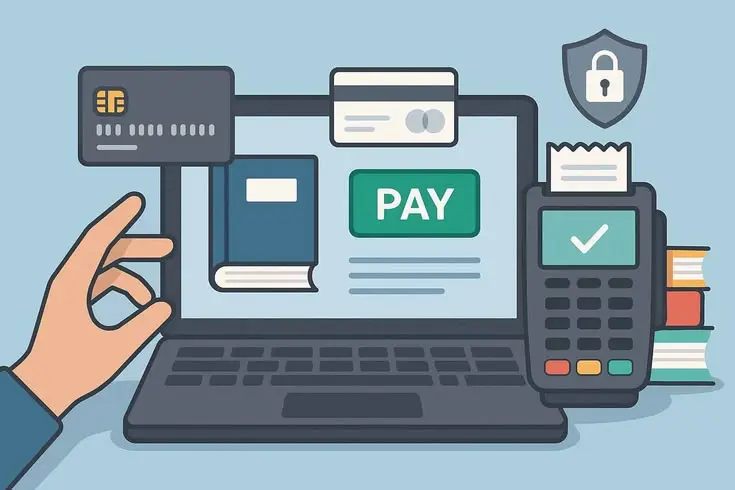
For example, when a customer buys a product from an online store, they enter their payment details on a checkout page. The payment gateway encrypts this information and sends it to the payment processor. The processor then communicates with the bank to approve or decline the transaction.
Online payment systems for ecommerce support multiple payment methods, including:
- Credit and debit cards
- Mobile wallets
- Bank transfers
- Buy now, pay later services
Why is Online Payment Systems for Ecommerce Important?
Online payment systems for ecommerce play a crucial role in the success of any online business. Without a reliable payment system, it becomes nearly impossible to complete transactions efficiently.
First, they provide convenience to customers. Shoppers can make purchases anytime and from anywhere without needing physical cash. This flexibility encourages more people to shop online.
Second, they enhance security. Modern payment systems use encryption and fraud detection tools to protect sensitive information. This builds trust among customers and reduces the risk of fraud.
Another important factor is global reach. With online payment systems for ecommerce, businesses can accept payments from international customers. This opens up new markets and increases revenue opportunities.
Additionally, these systems improve business efficiency. Automated payment processing reduces manual work and minimizes errors. It also provides detailed transaction records, making it easier to manage finances.
Detailed Step-by-Step Guide

Step 1: Choose the Right Payment System
Start by selecting a payment system that suits your business needs. Consider factors such as fees, supported payment methods, security features, and ease of integration.
For beginners, it is often best to choose a system that offers simple setup and supports multiple payment options.
Step 2: Set Up a Merchant Account
A merchant account is a type of bank account that allows businesses to receive payments. Some payment providers offer built-in merchant accounts, which simplifies the process.
Make sure to provide accurate business details during registration to avoid delays.
Step 3: Integrate Payment Gateway
The payment gateway connects your ecommerce website to the payment processor. Most ecommerce platforms offer easy integration through plugins or APIs.
Follow the setup instructions provided by your payment provider to connect the gateway to your website.
Step 4: Enable Multiple Payment Methods
To improve customer experience, enable different payment options such as:
- Credit and debit cards
- Digital wallets
- Local payment methods
This ensures that customers can choose their preferred way to pay.
Step 5: Test the Payment System
Before going live, test the system thoroughly. Make test transactions to ensure everything works smoothly.
Check for issues such as failed transactions, incorrect pricing, or delays in processing.
Step 6: Ensure Security Compliance
Security is critical in online payment systems for ecommerce. Make sure your system follows industry standards such as data encryption and secure connections.
This helps protect customer information and builds trust.
Step 7: Go Live and Monitor Performance
Once everything is set up and tested, launch your payment system. Monitor transactions regularly to identify any issues.
Use analytics to track performance and improve your checkout process.
Benefits of Online Payment Systems for Ecommerce
- Faster transactions compared to traditional payment methods
- Improved customer convenience and satisfaction
- Enhanced security through encryption and fraud detection
- Ability to accept global payments and multiple currencies
- Automated record keeping and financial tracking
- Increased conversion rates due to flexible payment options
- Reduced manual errors in payment processing
Disadvantages / Risks
- Transaction fees can reduce profit margins
- Risk of fraud and chargebacks if not properly managed
- Technical issues may disrupt payment processing
- Dependence on internet connectivity
- Complex setup for advanced systems
- Compliance requirements can be challenging for beginners
Common Mistakes to Avoid
Many businesses make avoidable mistakes when implementing online payment systems for ecommerce. Understanding these mistakes can save time and money.
One common mistake is choosing the wrong payment provider. Not all systems are suitable for every business. Always compare features and costs before making a decision.
Another issue is ignoring security. Failing to implement proper security measures can lead to data breaches and loss of customer trust.
Some businesses also limit payment options. Offering only one or two payment methods can discourage customers from completing purchases.
Skipping testing is another mistake. Without proper testing, errors may go unnoticed and affect real transactions.
Lastly, poor checkout design can reduce conversions. A complicated or slow checkout process often leads to cart abandonment.
FAQs
1. What are the best online payment systems for ecommerce?
The best system depends on your business needs. Look for a solution that offers security, multiple payment options, and easy integration.
2. Are online payment systems safe?
Yes, most modern systems use advanced encryption and fraud detection to ensure secure transactions. However, businesses must also follow best practices.
3. Do I need a merchant account?
Not always. Some payment providers include a merchant account, making it easier for beginners to get started.
4. Can I accept international payments?
Yes, many online payment systems for ecommerce support global transactions and multiple currencies.
5. What fees are involved?
Fees vary depending on the provider. Common charges include transaction fees, setup fees, and currency conversion fees.
6. How can I reduce cart abandonment?
Offer multiple payment options, simplify the checkout process, and ensure fast and secure transactions.
Expert Tips & Bonus Points
To get the most out of online payment systems for ecommerce, focus on optimizing the user experience. A smooth and fast checkout process can significantly increase conversions.
Always keep your system updated. Payment technologies evolve quickly, and staying updated ensures better security and performance.
Use analytics tools to understand customer behavior. This helps identify areas where improvements are needed.
Consider offering local payment methods if you target specific regions. This can increase trust and boost sales.
Another useful tip is to display security badges on your checkout page. This reassures customers that their data is safe.
Finally, provide excellent customer support. Quick assistance during payment issues can improve customer satisfaction and loyalty.
Conclusion
Online payment systems for ecommerce are essential for any business that wants to succeed in the digital marketplace. They not only enable smooth transactions but also improve customer experience and business efficiency. From small startups to large enterprises, every ecommerce store relies on a reliable payment system to operate effectively.
Understanding how these systems work and choosing the right one can make a significant difference. By following the step-by-step guide, businesses can set up a secure and efficient payment process. At the same time, being aware of risks and common mistakes helps avoid potential problems.
The benefits of online payment systems for ecommerce far outweigh the challenges. They provide speed, convenience, and global reach, making it easier for businesses to grow. However, continuous monitoring and optimization are necessary to maintain performance.
