

Introduction
An emergency fund is one of the most important parts of personal finance, yet many people ignore it until they face a financial crisis. Whether it is a sudden job loss, medical emergency, car repair, or unexpected household expense, having a financial cushion can protect you from stress and debt. This emergency fund planning guide is designed to help beginners and intermediate readers understand how to build, manage, and maintain a strong emergency savings fund in a simple and practical way.
In today’s unpredictable economy, relying only on monthly income is risky. Even stable jobs can become uncertain, and expenses often appear without warning. That is why financial experts strongly recommend building a safety net that can support you for at least a few months. An emergency fund is not an investment for profit; instead, it is financial protection that gives you peace of mind.
This emergency fund planning guide will walk you through everything step by step. You will learn what an emergency fund is, why it is important, how much you should save, and the smartest ways to build it even with a limited income. You will also discover common mistakes people make and how to avoid them. By the end, you will have a clear roadmap to create a strong financial backup that supports you during difficult times.
What is an Emergency Fund?
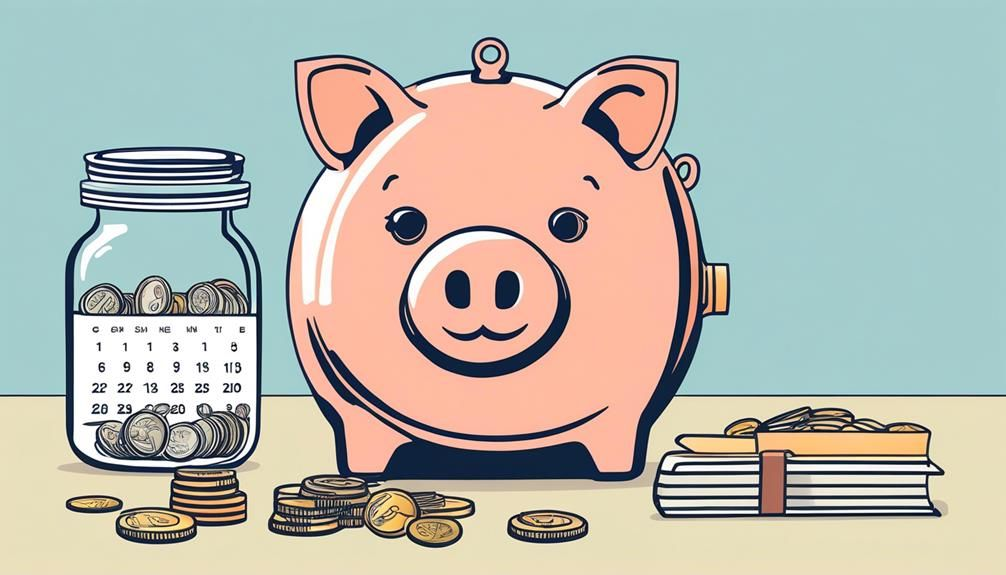
An emergency fund is a dedicated amount of money set aside specifically for unexpected financial situations. It is not meant for shopping, vacations, or regular expenses. Instead, it acts as a financial backup when life becomes unpredictable.
In simple terms, an emergency fund is your personal safety net. It helps you handle urgent situations without borrowing money or using credit cards. Most financial advisors recommend keeping this fund in a separate savings account so it is easy to access but not too easy to spend.
An emergency fund typically covers essential expenses like rent, groceries, bills, medical costs, and transportation. The goal is to ensure that even if your income stops temporarily, you can still maintain basic living standards without stress.
Why is an Emergency Fund Important?
Having an emergency fund is essential for financial stability. Life is full of uncertainties, and without preparation, even a small emergency can turn into a major financial problem.
Here are some key reasons why it matters:
It protects you from debt. Without savings, people often rely on credit cards or loans during emergencies, which creates long-term financial pressure.
It reduces stress. Knowing that you have backup money gives mental peace and confidence in difficult situations.
It supports job loss situations. If you lose your income, an emergency fund helps you survive while you look for new opportunities.
It avoids financial disruption. You can continue paying your bills and responsibilities without breaking your financial routine.
It builds financial independence. You do not need to depend on friends, family, or lenders during emergencies.
This emergency fund planning guide highlights that financial security is not just about earning more money but also about managing risk wisely.
Detailed Step-by-Step Guide
Building an emergency fund is not complicated, but it requires consistency and discipline. Below is a step-by-step process to help you get started.
Step 1: Calculate Your Monthly Expenses
The first step is understanding how much money you need every month. List all essential expenses such as rent, utilities, food, transportation, and basic bills. Avoid including luxury or unnecessary spending.
Step 2: Set a Savings Goal
Most experts recommend saving at least 3 to 6 months of living expenses. For example, if your monthly expenses are $1,000, your emergency fund should be between $3,000 and $6,000.
Step 3: Start Small
If the target feels too big, start with a small goal like $500 or $1,000. The important thing is to begin. Even small savings build momentum.
Step 4: Open a Separate Savings Account
Keep your emergency fund separate from your regular spending account. This reduces the temptation to use it for non-emergency purposes.
Step 5: Automate Your Savings
Set up automatic transfers from your income account to your emergency savings. This ensures consistency without effort.
Step 6: Cut Unnecessary Expenses
Review your monthly spending and reduce non-essential costs like dining out, subscriptions, or impulse purchases. Redirect that money into your fund.
Step 7: Increase Contributions Gradually
As your income grows or expenses reduce, increase your savings amount. This helps you reach your goal faster.
Step 8: Only Use for Real Emergencies
Strict discipline is essential. Only use the fund for true emergencies like medical issues, urgent repairs, or income loss.
This emergency fund planning guide emphasizes consistency over speed. Small, regular savings are more powerful than occasional large deposits.
Benefits of Emergency Fund Planning
- Provides financial security during unexpected situations
- Reduces reliance on loans and credit cards
- Helps maintain lifestyle stability during income loss
- Improves mental peace and reduces stress
- Builds strong financial discipline and habits
- Gives confidence in handling emergencies independently
- Supports long-term financial planning goals
- Prevents financial crisis from turning into debt traps
Disadvantages / Risks
- Requires discipline and consistency over time
- Money does not grow like investments in high-return assets
- May feel slow to build for low-income earners
- Risk of misuse if not kept in a separate account
- Inflation can reduce purchasing power over long periods
- Opportunity cost compared to investing funds elsewhere
Common Mistakes to Avoid
One of the biggest mistakes people make is not starting at all. Many believe they need a high income to save, but even small amounts can grow over time.
Another common mistake is using the emergency fund for non-emergency purposes. Treating it like a regular savings account defeats its purpose.
Some people also fail to set a clear target. Without a goal, saving becomes inconsistent and less effective.
Keeping the fund in cash at home is another risk. It is better to store it in a secure, accessible bank account.
Finally, not reviewing your fund regularly can be a problem. As your expenses increase, your emergency fund should also grow accordingly.
FAQs
1. How much should I save in an emergency fund?
Most experts recommend saving 3 to 6 months of essential expenses. If your job is unstable, aim for 6 to 9 months.
2. Where should I keep my emergency fund?
A separate savings account is best. It should be easily accessible but not mixed with daily spending money.
3. Can I invest my emergency fund?
No, an emergency fund should stay liquid and safe. Investing it may reduce accessibility during urgent needs.
4. What qualifies as an emergency?
Medical emergencies, job loss, urgent repairs, and essential unexpected expenses are valid emergencies.
5. How long does it take to build an emergency fund?
It depends on your income and savings rate. It can take a few months to a few years.
6. What if I have debt? Should I still save?
Yes, even small savings are important. You can balance debt repayment and emergency savings at the same time.
Expert Tips & Bonus Points
Start with a small, realistic target instead of aiming too high initially. Consistency matters more than amount in the beginning.
Use windfalls like bonuses, tax refunds, or extra income to boost your fund quickly.
Review your budget every few months to identify new saving opportunities.
Treat your emergency fund as a non-negotiable financial priority, just like rent or bills.
If possible, keep your emergency fund in a high-interest savings account to slightly grow its value without risk.
This emergency fund planning guide also suggests tracking your progress monthly. Seeing growth motivates you to stay consistent.
Conclusion
Building financial stability is not about how much you earn but how well you prepare for uncertainty. An emergency fund acts as a protective shield that keeps you safe during unexpected financial challenges. It gives you confidence, reduces stress, and helps you avoid debt traps that can take years to escape.
This emergency fund planning guide has shown you the complete process from understanding what an emergency fund is to building it step by step and avoiding common mistakes. The key lesson is simple: start early, stay consistent, and remain disciplined.
Even if your income is limited, small savings can grow into a powerful financial safety net over time. The most important step is to begin today rather than waiting for the perfect moment.
