

Introduction
Mobile payment systems trends for merchants are shaping how businesses accept and manage payments in today’s fast-paced digital world. Over the past few years, the shift from cash to digital transactions has accelerated rapidly, driven by smartphones, improved internet access, and changing customer expectations. Today, customers expect quick, secure, and seamless payment options, whether they are shopping online or in physical stores.
For merchants, keeping up with mobile payment systems trends for merchants is no longer optional. It is essential for staying competitive and meeting customer demands. From contactless payments to digital wallets and QR code transactions, the payment landscape is evolving quickly. These trends are not only improving convenience but also enhancing security and operational efficiency.
Moreover, small and medium-sized businesses are benefiting the most from these innovations. They now have access to affordable payment solutions that were once only available to large corporations. As technology continues to advance, merchants who adapt early can gain a significant advantage in customer satisfaction and business growth.
What is Mobile Payment Systems Trends for Merchants?
Mobile payment systems trends for merchants refer to the evolving technologies and practices that enable businesses to accept payments through mobile devices. These include smartphones, tablets, and wearable devices that facilitate digital transactions without the need for physical cash or traditional card machines.
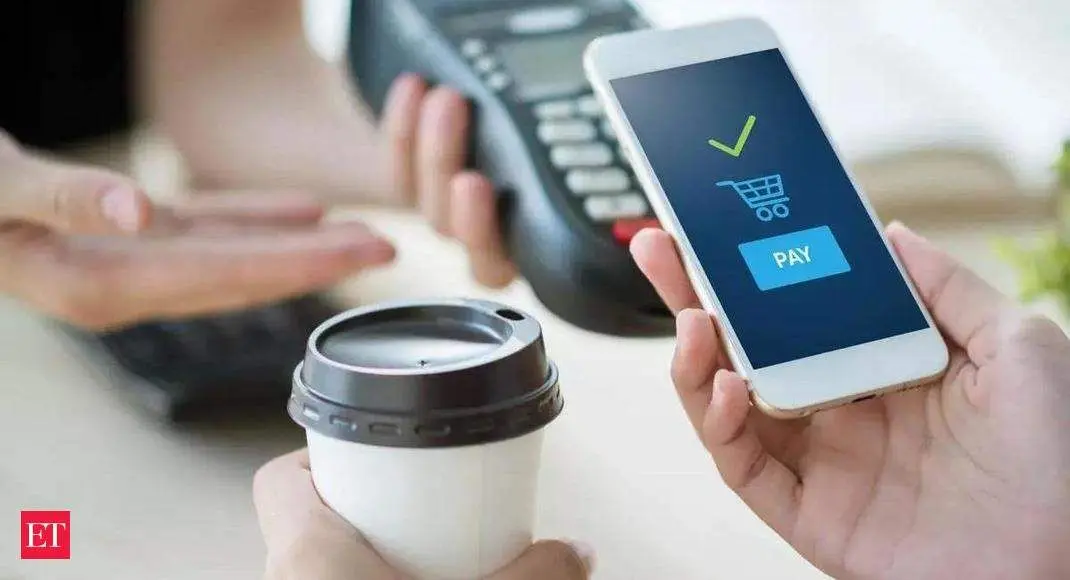
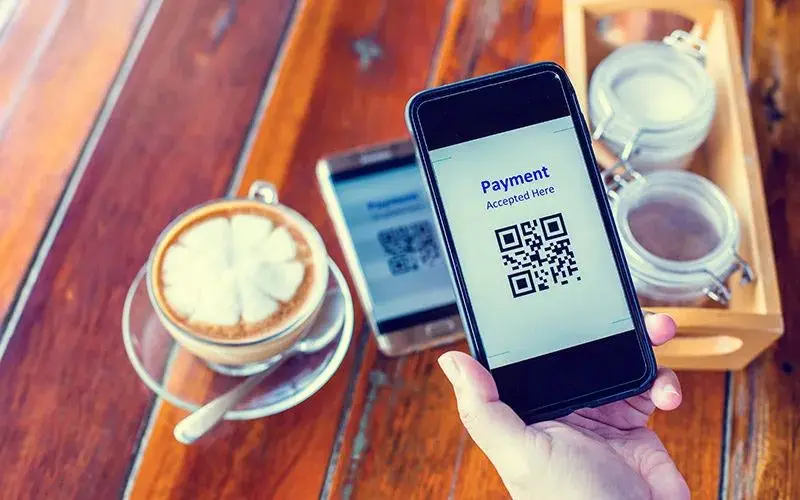
At its core, mobile payment systems allow customers to pay using digital wallets, mobile apps, or contactless methods such as NFC (Near Field Communication). Examples include tapping a phone at a payment terminal or scanning a QR code to complete a transaction.
For merchants, these systems provide flexibility and convenience. Instead of relying on bulky hardware, businesses can use compact devices or even apps to process payments. This is particularly useful for small businesses, street vendors, and service providers who operate on the go.
Mobile payment systems trends for merchants also include innovations like biometric authentication, real-time transaction tracking, and integration with business tools. These features make transactions faster, safer, and more efficient.
Why is Mobile Payment Systems Trends for Merchants Important?
Understanding mobile payment systems trends for merchants is crucial for several reasons. First, customer behavior is changing rapidly. People prefer quick and hassle-free payment options, and businesses that fail to provide them risk losing customers.
Second, mobile payments improve operational efficiency. Transactions are processed instantly, reducing waiting times and improving the overall customer experience. This can lead to higher sales and better customer retention.
Another important factor is security. Modern mobile payment systems use advanced encryption and authentication methods, making them more secure than traditional payment methods. This helps protect both merchants and customers from fraud.
Additionally, mobile payment systems trends for merchants support business growth. By adopting digital payments, businesses can expand their reach, including online sales and remote transactions. This opens up new opportunities for revenue generation.
Detailed Step-by-Step Guide
Step 1: Understand Your Business Needs
Before adopting any mobile payment system, analyze your business requirements. Consider factors such as transaction volume, customer preferences, and budget.
Step 2: Choose the Right Payment Platform
Select a payment provider that suits your business. Look for features like ease of use, security, and integration with your existing systems.
Step 3: Set Up Hardware or Software
Depending on your choice, you may need a card reader, smartphone, or tablet. Some systems only require an app, making them cost-effective.
Step 4: Enable Multiple Payment Options
Offer various payment methods such as digital wallets, QR codes, and contactless payments. This ensures convenience for all customers.
Step 5: Train Your Staff
Make sure your team understands how to use the system efficiently. Proper training reduces errors and improves customer service.
Step 6: Ensure Security Measures
Implement strong security protocols such as encryption and authentication to protect transactions.
Step 7: Monitor and Optimize
Track transaction data and customer feedback. Use this information to improve your payment process and adapt to new trends.
Benefits of Mobile Payment Systems Trends for Merchants
- Faster transactions and reduced waiting times
- Improved customer experience and satisfaction
- Enhanced security with advanced technologies
- Lower operational costs compared to traditional systems
- Easy integration with business tools and analytics
- Increased sales through multiple payment options
- Greater flexibility for mobile and remote businesses
Disadvantages / Risks
- Dependence on internet connectivity
- Initial setup costs for some systems
- Risk of technical issues or system downtime
- Learning curve for staff and customers
- Potential security threats if not properly managed
- Compatibility issues with older devices
Common Mistakes to Avoid
Many merchants make simple mistakes when adopting mobile payment systems. One common error is choosing a system without proper research. This can lead to compatibility issues and higher costs.
Another mistake is ignoring security measures. Failing to implement strong protection can result in fraud and data breaches.
Some businesses also overlook customer preferences. Offering limited payment options can reduce customer satisfaction and sales.
Additionally, lack of staff training can create confusion and slow down transactions. It is important to ensure that employees are comfortable using the system.
Finally, not keeping up with mobile payment systems trends for merchants can make a business outdated. Regular updates and improvements are necessary for long-term success.
FAQs
1. What are mobile payment systems?
Mobile payment systems are technologies that allow customers to make payments using mobile devices such as smartphones or tablets.
2. Are mobile payments safe for merchants?
Yes, most modern systems use advanced security features like encryption and biometric authentication to protect transactions.
3. Do I need special equipment to accept mobile payments?
Not always. Many systems only require a smartphone and an app, although some may need additional hardware.
4. Can small businesses use mobile payment systems?
Absolutely. Mobile payment systems are ideal for small businesses because they are affordable and easy to use.
5. What is the most popular mobile payment method?
Digital wallets and contactless payments are currently among the most popular methods.
6. How can I choose the best payment system?
Consider factors such as cost, features, security, and compatibility with your business needs.
Expert Tips & Bonus Points
To make the most of mobile payment systems trends for merchants, focus on customer convenience. Always offer multiple payment options to cater to different preferences.
Keep your system updated with the latest features and security patches. This ensures smooth operation and protection against threats.
Analyze transaction data regularly. This helps you understand customer behavior and improve your services.
Also, consider integrating your payment system with other business tools such as inventory management and accounting software. This can streamline operations and save time.
Finally, stay informed about new trends and technologies. The payment industry evolves quickly, and staying ahead can give you a competitive edge.
Conclusion
Mobile payment systems trends for merchants are transforming the way businesses handle transactions. With the rise of digital technology, customers now expect fast, secure, and convenient payment options. Merchants who embrace these trends can improve customer satisfaction, increase efficiency, and drive business growth.
Adopting mobile payment systems is not just about keeping up with technology. It is about creating a better experience for your customers and simplifying your operations. From contactless payments to digital wallets, the possibilities are endless.
However, it is important to approach these systems carefully. Choosing the right platform, ensuring security, and training your staff are key steps for success. Avoid common mistakes and stay updated with the latest trends to maximize the benefits.
