

Introduction
In today’s digital world, online payments have become a necessity for businesses of all sizes. Whether you are running an eCommerce store, a subscription service, or a freelance platform, having a secure payment gateway is essential. A secure payment gateway integration guide helps you understand how to safely connect your website or app with a payment processing system.
Many beginners feel confused when they hear terms like encryption, API, tokenization, and PCI compliance. However, the process is not as complicated as it sounds when broken down step by step. This guide is designed to simplify everything so both beginners and intermediate users can follow along easily.
Moreover, security is not optional. Customers expect their financial data to be protected at all times. A single mistake in payment integration can lead to fraud, data breaches, and loss of trust. Therefore, understanding the correct way to implement a secure system is critical.
What is Secure Payment Gateway Integration Guide?
A secure payment gateway integration guide refers to the process of connecting your website or application with a payment processor while ensuring that all transactions are encrypted and protected from unauthorized access.
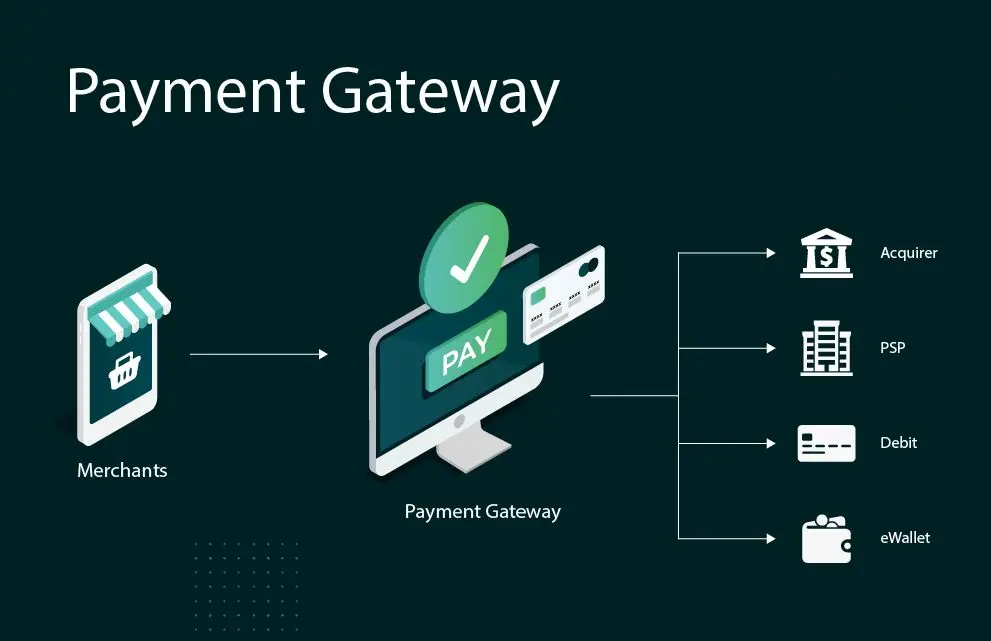
A payment gateway acts as a bridge between your customer and the bank. When a user enters their card details, the gateway encrypts the information and sends it to the payment processor. After verification, the transaction is either approved or declined.
Security plays a major role in this process. Without proper protection, sensitive data like credit card numbers can be exposed. That is why secure integration includes features like SSL encryption, tokenization, and compliance with PCI DSS standards.
For example, when a customer buys a product online, the payment gateway ensures that their details are not stored in plain text. Instead, the information is converted into a secure token, making it useless for hackers.
Why is Secure Payment Gateway Integration Guide Important?
Understanding a secure payment gateway integration guide is important for several reasons. First, it protects customer data from cyber threats. With the rise in online fraud, security has become a top priority for businesses.
Second, it builds trust. Customers are more likely to complete a purchase if they feel their information is safe. A secure system improves user confidence and increases conversions.
Third, it ensures legal compliance. Many countries require businesses to follow strict security standards like PCI DSS. Failure to comply can result in penalties or even business shutdown.
Additionally, secure integration reduces the risk of chargebacks and fraudulent transactions. This helps businesses save money and maintain a good reputation.
Detailed Step-by-Step Guide
Step 1: Choose the Right Payment Gateway
Start by selecting a trusted payment gateway provider. Look for features like strong security, global support, easy integration, and reasonable fees.
Popular options include Stripe, PayPal, and Square. Each offers different benefits, so choose based on your business needs.
Step 2: Understand API Documentation
Every gateway provides API documentation. This explains how to connect your system with the payment service.
Take time to read and understand the instructions. It includes endpoints, authentication methods, and request formats.
Step 3: Set Up a Merchant Account
You need a merchant account to receive payments. Some gateways provide this automatically, while others require a separate setup.
Ensure your account is verified and compliant with all regulations.
Step 4: Enable SSL Encryption
Security starts with SSL certificates. This ensures that data transferred between the user and your server is encrypted.
Without SSL, your website will be vulnerable to attacks and may not even load properly in modern browsers.
Step 5: Integrate Payment Gateway API
Now, integrate the gateway into your website or app. This usually involves:
- Adding payment forms
- Connecting API keys
- Handling transaction responses
Use sandbox mode for testing before going live.
Step 6: Implement Tokenization
Tokenization replaces sensitive data with unique tokens. This prevents storing actual card details on your server.
It is one of the most effective ways to improve security.
Step 7: Ensure PCI DSS Compliance
PCI DSS is a security standard for handling card data. Make sure your system meets these requirements.
This includes secure storage, regular audits, and restricted access.
Step 8: Test the Integration
Before launching, test every scenario:
- Successful payments
- Failed transactions
- Refunds and chargebacks
Testing helps identify and fix issues early.
Step 9: Go Live
Once everything is tested, switch from sandbox to live mode. Monitor transactions closely during the initial phase.
Step 10: Monitor and Maintain Security
Security is ongoing. Regularly update your system, monitor suspicious activity, and apply patches when needed.
Benefits of Secure Payment Gateway Integration Guide

- Protects sensitive customer data from cyber threats
- Builds trust and improves customer confidence
- Reduces fraud and chargeback risks
- Ensures compliance with legal standards
- Supports global transactions and multiple currencies
- Enhances overall user experience
- Increases conversion rates and sales
Disadvantages / Risks
- Initial setup can be complex for beginners
- Costs associated with gateway fees and maintenance
- Requires continuous monitoring and updates
- Risk of integration errors if not done properly
- Dependency on third-party services
- Possible downtime affecting transactions
Common Mistakes to Avoid
One common mistake is ignoring SSL encryption. Without it, your entire payment system becomes insecure.
Another issue is storing sensitive data directly on your server. This increases the risk of data breaches. Always use tokenization instead.
Many beginners also skip testing. Launching without proper testing can lead to failed transactions and unhappy customers.
Using outdated APIs is another problem. Payment providers regularly update their systems, so always use the latest version.
Additionally, failing to comply with PCI standards can result in serious penalties. Make sure your system meets all requirements.
Lastly, not monitoring transactions regularly can allow fraudulent activity to go unnoticed.
FAQs
1. What is a payment gateway?
A payment gateway is a service that processes online payments by securely transferring data between the customer, merchant, and bank.
2. Is secure payment gateway integration necessary for small businesses?
Yes, even small businesses need secure payment systems to protect customer data and build trust.
3. What is PCI DSS compliance?
PCI DSS is a set of security standards designed to protect cardholder data during transactions.
4. How long does integration take?
It depends on the complexity of your system. Simple integrations can take a few hours, while advanced setups may take several days.
5. Can I integrate multiple payment gateways?
Yes, many businesses use multiple gateways to provide more payment options and improve reliability.
6. What is tokenization in payments?
Tokenization replaces sensitive card data with a secure token, reducing the risk of data theft.
Expert Tips & Bonus Points
Always choose a gateway that offers strong customer support. This helps resolve issues quickly.
Use two-factor authentication for admin access. It adds an extra layer of security.
Regularly update your software and plugins. Outdated systems are more vulnerable to attacks.
Monitor transaction logs to detect unusual activity. Early detection can prevent major losses.
Offer multiple payment options to improve user experience and increase conversions.
Finally, educate your team about security best practices. Human error is often the weakest link.
Conclusion
A secure payment gateway integration guide is essential for any business that wants to accept online payments safely. It not only protects sensitive data but also builds trust with customers. Without proper security measures, businesses risk losing both money and reputation.
By following the steps outlined in this guide, you can create a reliable and secure payment system. From choosing the right gateway to implementing encryption and ensuring compliance, each step plays a crucial role.
Although the process may seem complex at first, breaking it down into smaller steps makes it manageable. With proper planning and testing, even beginners can successfully integrate a secure payment system.
