

Introduction
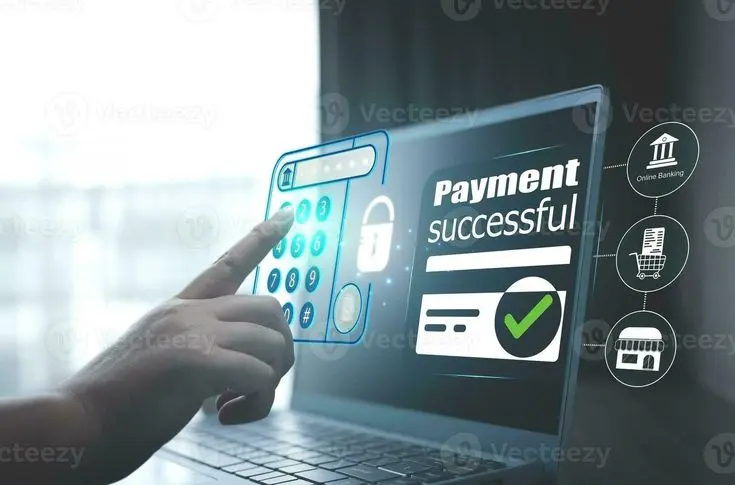
Real-time payment systems refer to digital platforms that enable instant transfer of money between bank accounts. The key feature is that transactions are processed immediately, typically within seconds, regardless of the time or day.
Unlike traditional banking methods, these systems operate 24/7. This means users can send or receive money anytime, including weekends and holidays. The real time payment systems benefits include faster transactions, improved transparency, and better financial control.
For example, when you send money through a real-time system, the recipient receives it instantly. There is no delay, no waiting period, and no uncertainty about when the funds will arrive.
Additionally, these systems often provide confirmation notifications, which increase trust and reliability. Whether it is paying a vendor, splitting a bill, or sending emergency funds, real-time payments make the process smooth and efficient.
Why is Real Time Payment Systems Benefits Important?
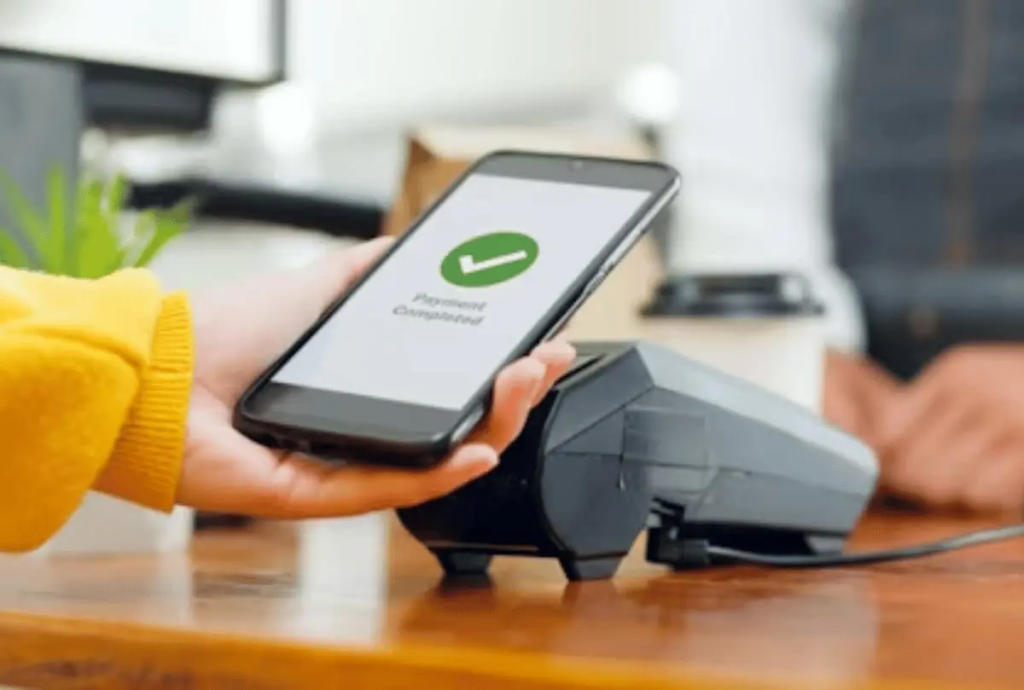
Understanding real time payment systems benefits is important because it directly impacts how individuals and businesses manage money. Speed alone can transform financial operations, but there are deeper advantages as well.
First, instant transactions reduce financial stress. People no longer need to worry about delayed payments or pending transfers. This is especially useful in urgent situations where immediate access to funds is required.
Second, businesses benefit from improved cash flow. Instead of waiting days for payments to clear, companies can use funds instantly for operations, salaries, or investments.
Furthermore, real-time payment systems increase financial inclusion. People without access to traditional banking services can participate in digital transactions more easily.
Another key point is transparency. Users can track their transactions in real time, reducing the chances of fraud or errors.
Detailed Step-by-Step Guide
Step 1: Choose a Real-Time Payment Platform
The first step is selecting a reliable platform that supports instant payments. Many banks and financial apps offer this feature. Look for security, ease of use, and compatibility with your bank.
Step 2: Register and Verify Your Account
After choosing a platform, sign up and complete the verification process. This usually involves providing personal details and linking your bank account.
Verification ensures that your account is secure and compliant with financial regulations.
Step 3: Link Your Bank Account
Next, connect your bank account to the payment system. This allows you to send and receive money directly.
Make sure the details are correct to avoid transaction errors.
Step 4: Add Recipient Details
To send money, you need the recipient’s information. This may include their phone number, account number, or unique payment ID.
Double-check the details before proceeding.
Step 5: Enter Payment Amount
Now, enter the amount you want to transfer. Most platforms will show the transaction details before confirmation.
This step ensures transparency and helps prevent mistakes.
Step 6: Confirm and Send
After reviewing all details, confirm the transaction. The money will be transferred instantly.
You will receive a notification confirming the successful transfer.
Step 7: Track the Transaction
Finally, check the transaction status in your app. Real-time systems provide immediate updates, so you always know where your money is.
Benefits of Real Time Payment Systems Benefits
- Instant transactions that save time and effort
- Improved cash flow for businesses
- 24/7 availability without banking hour restrictions
- Enhanced customer experience and satisfaction
- Reduced dependency on cash
- Increased transparency and tracking
- Better financial planning and control
- Lower transaction risks compared to delays
- Supports digital economy growth
- Convenient for both personal and business use
Disadvantages / Risks
- Risk of sending money to the wrong account
- Limited reversal options for completed transactions
- Dependence on internet connectivity
- Potential cybersecurity threats
- Some platforms may charge transaction fees
- Not all regions fully support real-time systems
- Overuse may lead to poor financial discipline
Common Mistakes to Avoid
One common mistake is entering incorrect recipient details. Since transactions are instant, errors can be difficult to fix.
Another issue is ignoring security measures. Always use strong passwords and enable two-factor authentication to protect your account.
Many users also forget to check transaction limits. Some platforms have daily or per-transaction limits, which can affect large payments.
Additionally, relying on unsecured networks can expose your data to hackers. Always use a secure internet connection when making transactions.
Finally, avoid rushing through payments. Take a few seconds to review all details before confirming.
FAQs
1. What are real-time payment systems?
Real-time payment systems are digital platforms that allow instant transfer of money between accounts, operating 24/7 without delays.
2. Are real-time payments safe?
Yes, they are generally safe if you follow proper security practices such as using secure apps and verifying transaction details.
3. Can I reverse a real-time payment?
In most cases, no. Once a transaction is completed, it cannot be reversed easily, so accuracy is crucial.
4. Do real-time payments work internationally?
Some systems support international transfers, but availability depends on the platform and country.
5. Are there fees for real-time payments?
Some platforms offer free transactions, while others may charge small fees depending on the service.
6. Who can use real-time payment systems?
Anyone with a bank account and access to a supported platform can use these systems.
7. What happens if a transaction fails?
If a transaction fails, the amount is usually refunded automatically within a short time.
Expert Tips & Bonus Points
To maximize real time payment systems benefits, always keep your app updated. Updates often include security improvements and new features.
Another useful tip is setting transaction alerts. These notifications help you monitor your account activity in real time.
For businesses, integrating payment systems with accounting software can improve efficiency and reduce manual work.
It is also wise to maintain a transaction history. This helps in tracking expenses and managing finances better.
Additionally, educate yourself about platform features. Many users only use basic functions, missing out on advanced tools that can enhance their experience.
Lastly, always stay informed about new trends in digital payments. The financial technology landscape is evolving rapidly, and staying updated gives you a competitive advantage.
Conclusion
Real time payment systems benefits have transformed the way people handle money. From instant transfers to improved financial control, these systems offer unmatched convenience and efficiency.
For individuals, they provide a faster and more reliable way to manage daily transactions. Whether it is paying bills, sending money to family, or shopping online, real-time payments simplify everything.
For businesses, the advantages are even greater. Improved cash flow, better customer satisfaction, and streamlined operations make these systems essential in today’s competitive market.
